
 As more homeowners seek sustainable living options, eco-friendly mortgages have become a valuable tool for financing energy-efficient homes. These specialized loans offer financial incentives to buyers and homeowners who invest in environmentally friendly properties or upgrades. Understanding how these mortgages work can help you determine if they align with your homeownership and sustainability goals.
What Are Eco-Friendly Mortgages?
Eco-friendly mortgages, also known as green mortgages, are designed to encourage energy-efficient homeownership. Lenders offer these loans to homebuyers purchasing energy-efficient properties or homeowners making upgrades to improve energy conservation. These loans often come with lower interest rates, higher borrowing limits, or flexible repayment terms as incentives for sustainable housing investments.
Types of Green Mortgages
- Energy-Efficient Mortgages (EEMs) – Available for purchasing, refinancing, or renovating a home to improve energy efficiency. Borrowers can include the cost of energy upgrades in the mortgage, reducing the need for separate financing.
- Green Home Loans – Specifically for buying newly built green-certified homes that meet energy efficiency and sustainability standards.
- FHA and VA Energy-Efficient Loans – Government-backed mortgage programs offering additional loan amounts to cover energy-efficient improvements.
Benefits of Eco-Friendly Mortgages
- Lower Utility Bills – Energy-efficient upgrades reduce electricity and heating costs.
- Potential Tax Credits & Rebates – Many states and local governments offer incentives for green home improvements.
- Increased Home Value – Sustainable features can make a home more attractive to buyers, potentially boosting resale value.
- Lower Interest Rates & Better Terms – Some lenders provide favorable loan conditions for energy-efficient properties.
Common Green Home Improvements
- Solar panels for renewable energy production.
- Energy-efficient windows and insulation to reduce heating and cooling costs.
- Smart home technology for better energy management.
- High-efficiency HVAC systems to lower energy consumption.
- Water-saving appliances to reduce waste.
Is an Eco-Friendly Mortgage Right for You?
A green mortgage makes sense if:
- You are buying a certified energy-efficient home or planning upgrades.
- You want to lower long-term energy costs while financing improvements.
- You qualify for lender incentives such as reduced interest rates or higher loan limits.
Financing a green home through an eco-friendly mortgage not only benefits the environment but also enhances your financial well-being. If sustainability is a priority for your homeownership journey, exploring these options could be a smart investment.
 When you close on a home loan, you’ll likely hear the term “escrow account” mentioned—and if you’re like most buyers, you may not be entirely sure what it means. While it might sound complicated, an escrow account is a helpful tool that simplifies homeownership and protects your investment.
 Renovating a home can be an exciting yet costly endeavor. Whether updating an outdated kitchen, adding more living space, or improving energy efficiency, homeowners often seek financing options that make renovations more affordable. One strategic way to fund home improvements is by leveraging your mortgage. Several loan programs and refinancing options allow homeowners to roll renovation costs into their mortgage, making upgrades more accessible and financially manageable.
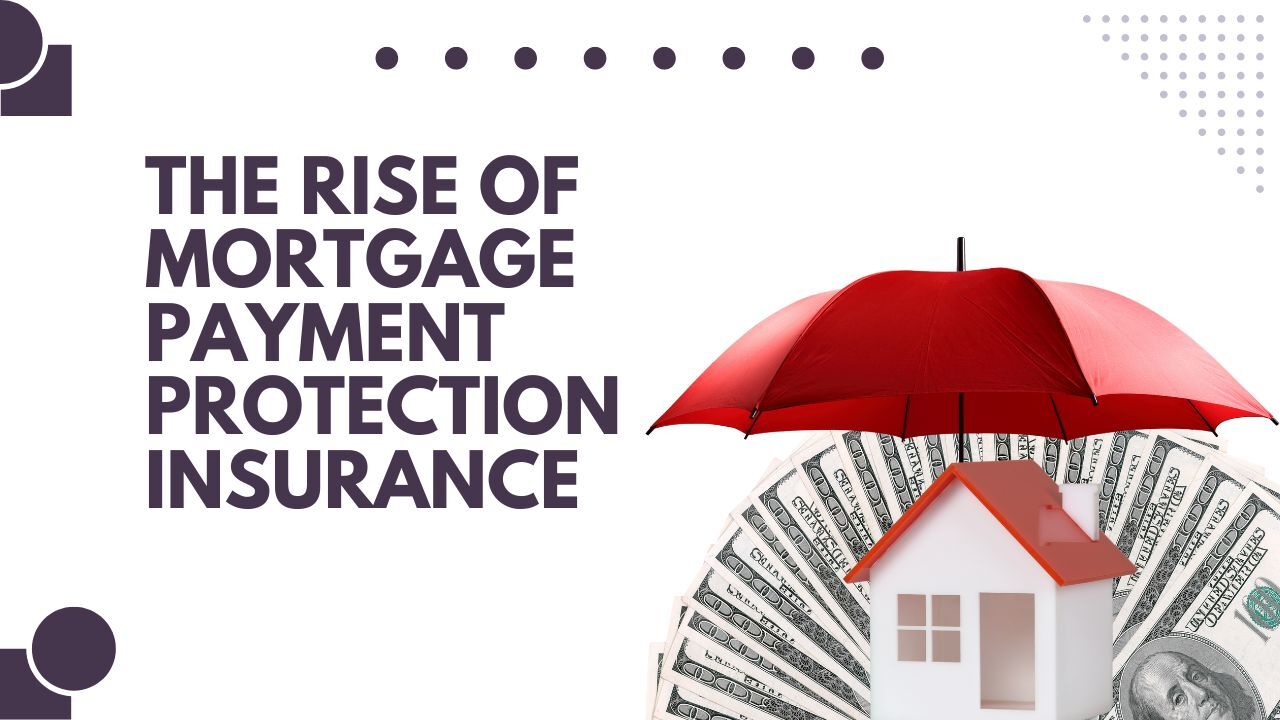 For many homeowners, a mortgage is one of the largest financial commitments they will ever undertake. With economic uncertainty, job market fluctuations, and unforeseen life events, many borrowers seek additional safeguards to ensure they can meet their mortgage obligations. One such safeguard that has gained prominence in recent years is Mortgage Payment Protection Insurance (MPPI).
 Securing a mortgage can be challenging for self-employed borrowers, especially those with irregular income. Traditional lenders typically rely on W-2s and steady paychecks to assess financial stability, which can make qualifying more complex for business owners, freelancers, and gig workers. However, several mortgage options cater specifically to self-employed individuals, allowing them to secure financing based on alternative income verification methods.