
 It is natural to want the lowest possible mortgage cost. Buying a home is a major financial decision, and every dollar matters. But the cheapest mortgage on the surface is not always the best mortgage for your situation. A low rate or low fee means very little if the loan structure, service, or long-term fit does not support your goals.
Look Beyond the Lowest Rate
The interest rate is important, but it is not the only factor. A lower rate may come with points, higher closing costs, different terms, or tradeoffs that affect your total cost. Before choosing a mortgage, make sure you understand what you are paying upfront and what you are paying over time.
Speed and Certainty Matter
In a purchase transaction, timing can be critical. A lender who cannot meet deadlines, communicate clearly, or manage the process well can create stress for you, your agent, and the seller. A slightly cheaper option may not feel worth it if it puts your closing at risk.
Loan Fit Matters Too
The best mortgage should fit your credit, income, down payment, timeline, and long-term plans. A loan that looks cheaper today may not be the best match if it creates payment stress, limits flexibility, or does not align with how long you plan to keep the home.
Service Has Real Value
Good guidance can help you avoid mistakes. You want someone who explains the numbers, answers questions, prepares you for each step, and helps you understand your options. Mortgage decisions can affect your finances for years, so clear communication and responsible advice are valuable.
Compare the Full Package
When reviewing mortgage options, compare rate, closing costs, points, payment, loan terms, service, communication, and confidence in closing. The lowest number is only helpful if it comes with a loan, you understand and a process you trust.
A mortgage should not be chosen by price alone. The best choice is the option that balances cost, clarity, reliability, and fit. Sometimes the cheapest mortgage is the right one. Sometimes the better mortgage is the one that helps you close smoothly and live comfortably after the keys are yours.
 When you apply for a mortgage, your bank statements are more than a record of deposits and withdrawals. They tell a story about how money moves through your life. Lenders review them to verify funds, identify large deposits, confirm reserves, and understand whether the money used for closing is properly documented. But for buyers, bank statements can also be a useful mirror.
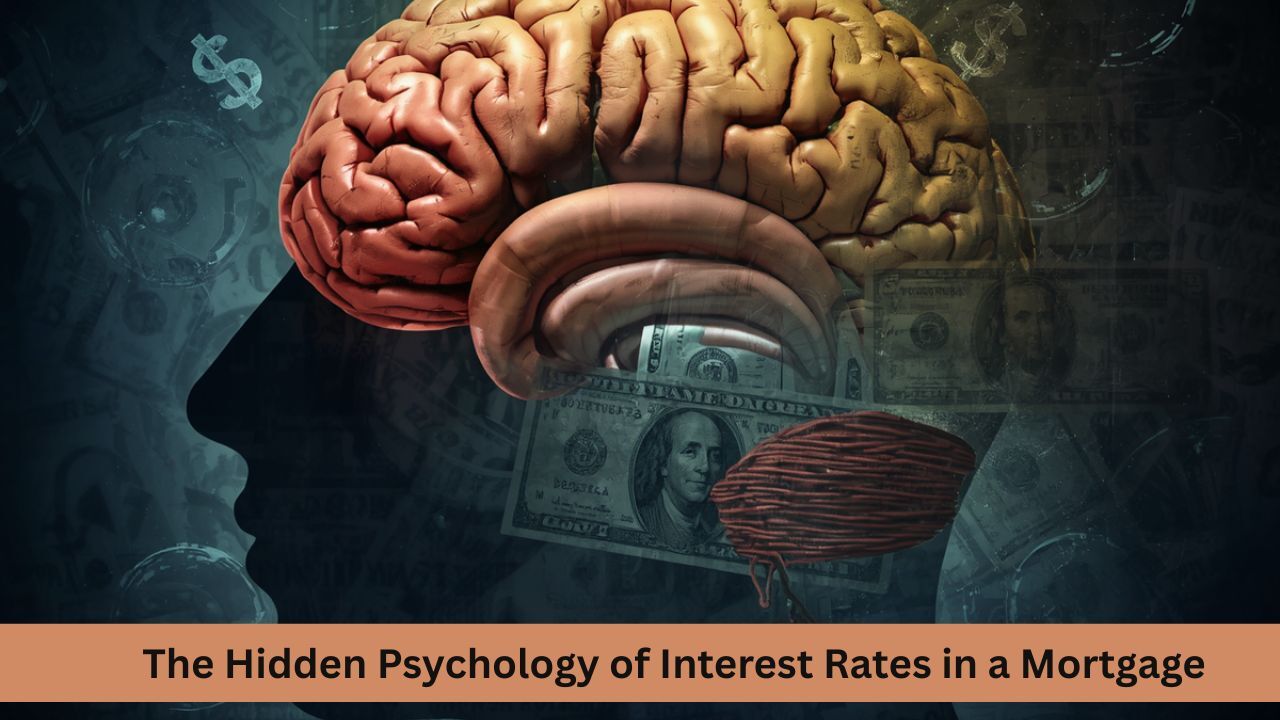 Interest rates are financial numbers, but they also have a strong emotional effect on homebuyers. A small change in rate can make buyers feel excited, nervous, rushed, discouraged, or suddenly motivated. That emotional reaction is understandable, but it can also lead to decisions that are based more on fear than strategy.
 Many potential homebuyers assume that having student loan debt will prevent them from qualifying for a mortgage, but that is not necessarily the case. In reality, many buyers successfully purchase homes while carrying student loans. The key is understanding how your debt is evaluated and taking the right steps to position yourself for approval.
 Qualifying for a mortgage on a single income requires careful planning, but it can also create strong financial discipline.