
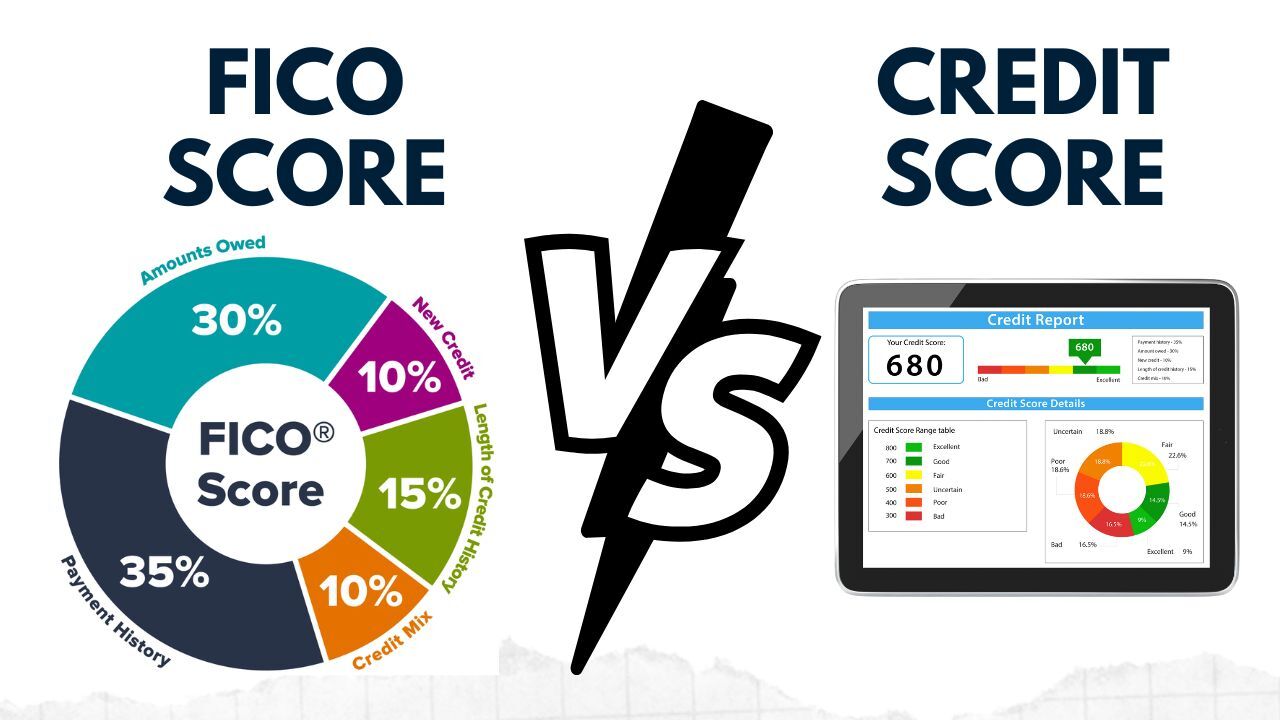
 When applying for a mortgage, your creditworthiness plays a significant role in determining your loan approval and interest rates. Two commonly referenced terms are FICO score and credit score, which are often used interchangeably but have distinct differences.
1. What is a Credit Score?
A credit score is a broad term that refers to a numerical representation of a consumer’s credit risk. It is calculated based on various scoring models, including FICO and VantageScore, and is derived from credit report data such as payment history, credit utilization, and length of credit history.
2. What is a FICO Score?
A FICO score is a specific type of credit score developed by the Fair Isaac Corporation. It is the most widely used scoring model by mortgage lenders. FICO scores range from 300 to 850 and are calculated based on five key factors:
- Payment history (35%)
- Amounts owed (30%)
- Length of credit history (15%)
- Credit mix (10%)
- New credit inquiries (10%)
3. How Do They Affect Your Mortgage?
- Interest Rates: A higher FICO score typically qualifies you for lower mortgage interest rates, while a lower score may result in higher rates or loan denial.
- Loan Approval: Lenders often have minimum credit score requirements, and FICO scores are a primary factor in the underwriting process.
- Loan Terms: Your score can affect down payment requirements and loan programs available to you, such as conventional, FHA, or VA loans.
4. Key Differences
- Scope: Credit scores can come from various models, while FICO is a specific scoring model.
- Usage: Most mortgage lenders rely heavily on FICO scores for risk assessment.
- Impact: Your FICO score has a direct influence on mortgage rates and loan eligibility.
Understanding the distinction between a FICO score and a credit score is essential when preparing for a mortgage application. By improving your FICO score, you can increase your chances of securing better loan terms and lower interest rates.
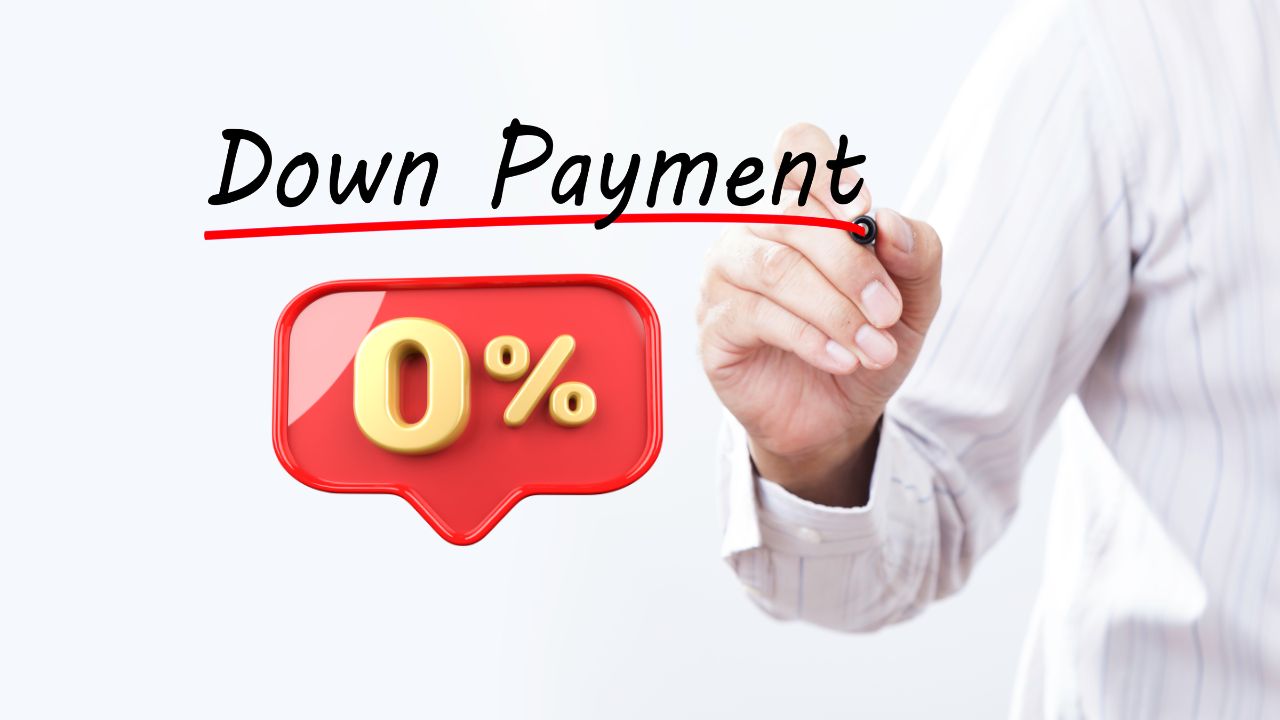 Buying a home without a down payment is possible, but it requires exploring the right loan programs and financial assistance options. While lenders have tightened their requirements since the 2008 housing crisis, there are still ways to achieve homeownership with little to no upfront cash.
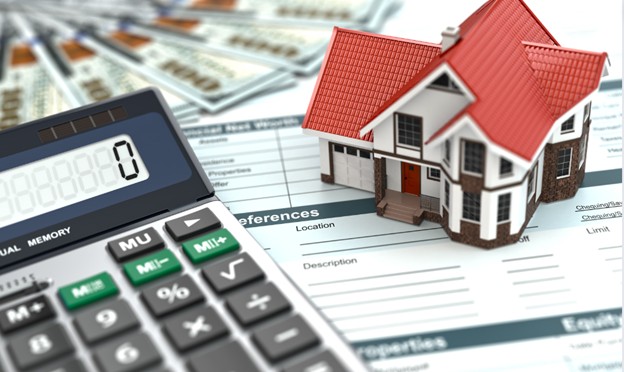 Knowing how to calculate mortgage payments can help you plan for homeownership and budget effectively. Several factors determine your monthly payment, including the loan amount, interest rate, and loan term. Here’s a step-by-step guide to understanding the process.
 When buying a home, one of the most critical factors is determining how much you can borrow through a mortgage. Lenders evaluate multiple financial aspects to assess your borrowing capacity. Here’s what they consider:
 Deciding to finance a new home can be exciting, and because of that buyers tend to want to jump right in. Not so fast! Before you start searching for your dream home, you need to get pre-approved and that means applying for a loan. You will need to get things in order by deciding how much home you can afford, mapping out your expenses, gathering all of your documents and then start looking for a lender that can help you decide what loan is best for you.