
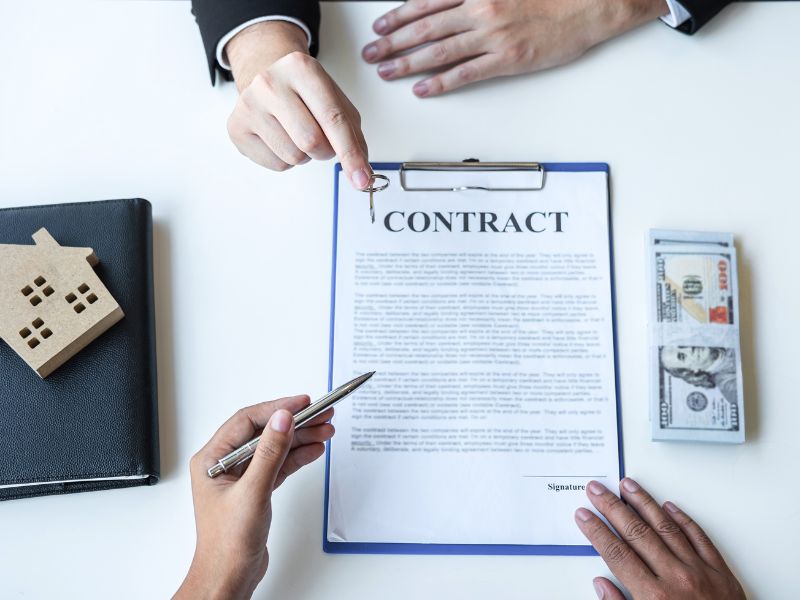
 When you’ve finally found the home you’re looking for at the right price, it’s easy to think that the hard part is over; however, there’s still a lot to do in order to ensure your purchase goes through without a hitch. If you’re tying up the loose ends on your home purchase, here are some things you should do to avoid any unnecessary delays.
Hire A Legal Professional
However much research you may have done in regards to buying a home, there’s still a lot of legal jargon in the closing documents that can be difficult for most people to understand. Instead of doing guesswork, you may want to use an attorney who will take the difficulty out of the documents for you so there will be no holdups with the paperwork.
Arrange A Home Inspection
A home inspection is a necessary step before the sale of a home, but this is an important one to get out of the way because it can seriously impact your home purchase. Because major problems can often be discovered during inspection, getting this out of the way and deciding if an item should be fixed or the total price knocked down will ensure there are no delays at the last minute.
Acquire Title Insurance
In order to make sure your property really belongs to you, it’s a good idea to have a title search completed to see if there are any claims to your future property that could invalidate your purchase. As this is a legal safeguard for your claim to your home, it will help you avoid unnecessary issues in the event of an unknown property claim.
Determine The Closing Costs
An escrow company is responsible for holding the funds until all aspects of a home sale are complete, but there are fees that go along with this service. Before you get to the end of the process, determine what exactly the company will be charging so that you can be prepared for the final total. While fees are legitimate, if you see a higher tally than expected, you may want to negotiate for a reduced cost.
Purchasing a home is a significant investment full of hurdles you might not be aware of, but by acquiring title insurance and having a legal professional look through your documents, you can make your home purchase go a little smoother.
 Using online mortgage lenders can offer several advantages and disadvantages compared to traditional brick-and-mortar lenders. It’s important to weigh these factors based on your individual preferences, needs, and financial situation. Here’s a breakdown of the pros and cons:
 Owning a home is a significant milestone that comes with a multitude of financial considerations. Beyond the pride of homeownership, there are substantial tax benefits and deductions available to those who embark on this journey. We will explore key facts about mortgages and taxes, focusing on the deductions, credits, and benefits that can make homeownership a financially savvy decision.
 If you’ve received your Closing Disclosure from your lender, congratulations! You’re almost at the finish line of your home buying journey, ready to celebrate with keys in hand. The Closing Disclosure, or CD, is provided at least three business days before your closing appointment and details your loan terms, projected monthly payments, and the much-discussed “cash to close.” But what exactly is “cash to close,” and how is it calculated?
 It’s easy to get Private Mortgage Insurance (PMI) confused with homeowners’ insurance, but PMI is an entirely different thing that may or may not be necessary when it comes to your home purchase. If you’re going to be investing in a home in the near future and are wondering what PMI may mean for you, here are some things to consider regarding this type of insurance.