
 There was a time when a higher percentage of people were married before they committed to buying a home together, but it’s a lot more common to co-habit and invest in a home together. If you’re considering the commitment of a mortgage without being married, here are some things to be aware of before you start searching the market.
Relationship Status Won’t Affect Your Rates
It might seem like there are greater risks involved if two individuals purchasing a property are not legally bound, but it actually makes no difference to the mortgage lender. If two people are buying a home together, the lender is going to be assessing their credibility based on their individual credit reports and financial history, not on their relationship to each other. While it may seem like co-habiting will have an impact, the proof – as far as lenders are concerned – is in the numbers.
What’s Your Credit History?
Most people are aware of their credit history, whether they’ve had financial hiccups in the past or are still paying off a significant amount of debt. However, it is more difficult for some to know the financial background of their partner, and this can be more common when it comes to co-habiting. Because the lender will be looking at both credit scores, if you or your partner have had financial issues in the past, it can have an adverse impact on your application. While you may have a nearly perfect credit history, if your partner does not this can make mortgage approval more difficult.
In The Event Of Separation
Home ownership can involve significant hurdles after a divorce, but there will still be some legal and financial issues to wade through if you’ve never been married. Since it’s likely that you won’t want to continue to co-habit, there’s the possibility that one party will have to buy the other out, which can be a sizeable financial burden. While this type of situation may never come to fruition, it’s important to be aware of what might occur so you can be prepared.
There can be a lot of complexities involved in co-habiting whether you’re married or not, but it’s important to have an awareness of your partner’s financial history and be prepared for financial hurdles. If you’re currently on the market for a new home, contact one of our mortgage professionals for more information.
 When you buy a home, you probably have a budget you will try to stick to. Many people choose a 30-year fixed mortgage, and by the time you pay off the home loan, you should own your home outright. At the same time, you might be thinking about paying off your mortgage more quickly to save money on interest. Even making one extra mortgage payment per year can provide a number of significant benefits.
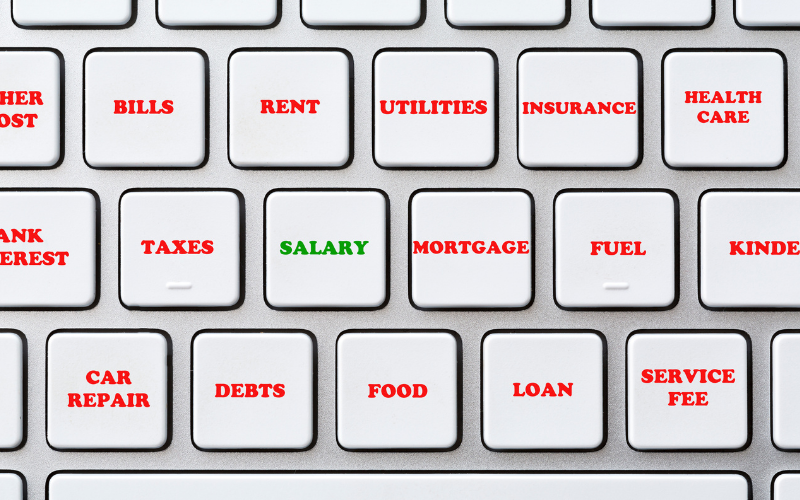 Even though a lot of people have two incomes they can use to purchase a house (theirs and their partner’s), this is not necessarily required. There are lots of people who want to take advantage of current interest rates to purchase a house, and some people are trying to do it on their own. Even though it can be a challenge to buy a house with only one income, it is certainly not impossible. There are several tips that can make it easier for everyone to afford a house with just a single income.
  If you have made an offer on a house and gotten it accepted, congratulations! This is a major step, but you might be wondering how you actually pay for a house. The days of showing up to the closing table with a personal check are in the rearview mirror, as nobody wants a check for a house to bounce after the other person has already walked away with the keys. Furthermore, even if you are buying a house with cash, you certainly do not want to show up with a briefcase full of dollar bills. Here is how you will actually pay for the house.
  If you want to save money on your home loan, you might be thinking about refinancing your mortgage. You might be able to replace your existing mortgage with a home loan that has a lower interest rate. Even a single point reduction in your interest rates could save you tens of thousands of dollars over the life of your loan. Before you refinance, be sure to ask about closing costs. Because you are replacing your existing home loan with a new one, you may incur some closing expenses. On the other hand, you could also have negative closing costs. In this case, you might get paid to refinance. How does this work?