
 If you want to save money on your mortgage, you might think about refinancing. Before you can complete the refinancing process, there are several documents you need to have. Make sure you have all of these documents organized before you go through the refinancing process.
Basic Personal Information
You need to have documents that prove your basic personal information. This includes your name, current address, and phone number. There are plenty of documents you can use to prove this information, and your current lender probably already has this on file if you are using the same lender to go through the refinancing process.
Income and Debt Documents
You also need to have documents that verify all of your current income or debt. If you are a wage-earner, you should have at least one recent pay stub. You should also have tax returns and W2 forms from the past two years.
Make sure you have recent asset or bank statements as well. This could include retirement accounts, checking accounts, savings accounts, and investment accounts. You will probably need the most recent quarterly statement for monthly statements going back at least two months.
Any Additional Letters and Documents
There are several other letters or documents you might need as well. If you receive alimony payments or child support, you will need to have divorce decrees verifying this information.
If there are any questions about your credit history or gaps in your employment, you will need to have letters explaining these issues. That way, the lender will be reassured that you can repay the home loan. If you receive pension payments or social security payments, you should have an award letter specifying the size of the payments and how long they are going to be paid.
You also need to have a deed showing that you are the rightful owner of the home and a document showing that you have an active homeowners insurance policy with appropriate coverage.
Get Your Documents Organized for the Refinancing Process
Once you have all of these documents, you should be ready for the refinancing process. You should work with a professional who can walk you through this process from start to finish.
 As interest rates fluctuate, you might think about refinancing your mortgage. This is the cost of taking out a new home loan to replace the one you currently have. If you get a significantly lower interest rate, you could save tens of thousands of dollars over the life of the mortgage. On the other hand, you need to think about potential expenses you might incur during the refinancing process. Because you are taking out another home loan, you may need to pay closing costs a second time. What are some of the most common expenses you might have to pay?
 If you decide to go through the refinancing process, there are several options available. One of the most popular options is a cash-out refinance. Essentially, you capitalize on the difference between current interest rates and the interest rate on your home loan to keep your payments the same while also drawing equity out of your home in the form of cash. You can use this money to fund your retirement, complete home repairs, or do a renovation project. Even though you can do just about anything you want with this cash, what do you need to know about a cash-out refinance and taxes?
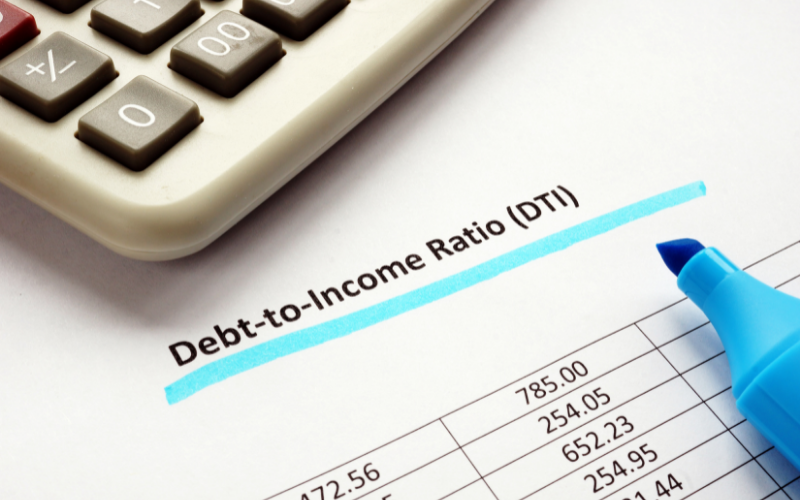 If you are looking for a home, you might need to finance it using a lender, such as a bank or a credit union. There are a number of factors that will influence whether your mortgage application is approved. Then, these same factors will play a role in the terms the lender might offer you. One of the most important factors is called the debt to income ratio, or DTI. It is important to understand how this will impact your mortgage application.
 Purchasing a house is expensive. Not everyone has the money to put down 20 percent. One of the ways to make it easier to afford a house is to live in a home with multiple generations. Some people decide to move back in with their parents because they might have a difficult time affording a mortgage and student loans. Some parents move in with their children because they have health-related issues that need to be addressed. Now, multi-generational homes are becoming more common.