
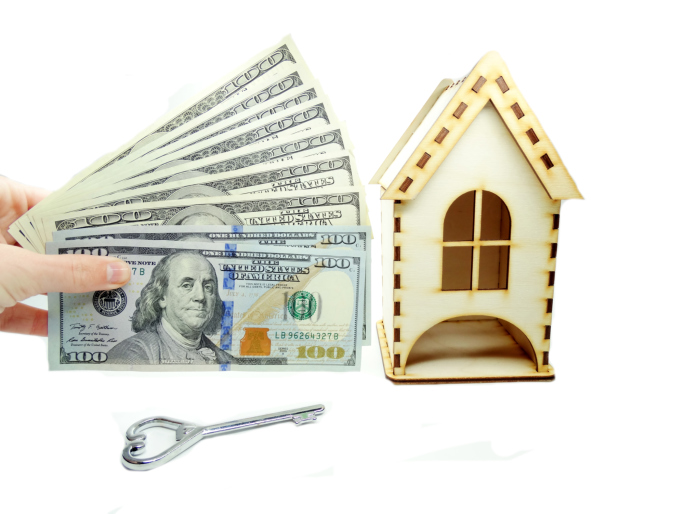
 Owning a home may be the American dream, but for many who are in a lower income bracket, finding a loan can become challenging. Thankfully, there are several loan programs that can work well for lower income people considering homeownership. Here’s a closer look at some of these home loans designed to help people who have a low-to-moderate income find a way to buy a home.
FHA Home Loans
FHA home loans are loans backed by the Federal Housing Administration. Lenders are more likely to lend to “higher risk” borrowers through the FHA loan program because the loans have the FHA’s backing.
With the FHA loan, a borrower can have a credit rating as low as 500, as long as there is a reasonable explanation for it, and a fairly high debt-to-income ratio. According to the U.S. Department of Housing and Urban Development, these loans require only a 3.5% down payment, which can come from gifts, and have less stringent requirements for credit rating or income.
USDA Rural Development Loans
If you are shopping for a home in a small town or suburban area, you may qualify for the USDA rural development loan program. Only those borrowers who make no more than 115% of the average median income in their area qualify for this loan program, according to the United States Department of Agriculture.
USDA loans require no down payment and the loan has no debt-to-income ratio maximum. It has a low PMI fee even for a zero-down loan, and fair interest rates. For those who live in areas that qualify, the USDA rural housing loan simply makes sense.
97% Loan-To-Value Purchase Loans
One of the biggest challenges for lower income borrowers to overcome is the down payment, but the 97% loan-to-value loan makes that less of a concern. This program, which Fannie Mae and Freddie Mac have offered to help encourage more people to get loans, allows people to buy a home with just 3% as a down payment.
The 97% loan-to-value purchase loan is specifically for first-time buyers. Borrowers must not have owned a home within the last three years to apply.
This loan program offers fair interest rates and does not have stringent credit score requirements. Borrowers can use gift funds to pay for the 3% down payment if necessary.
As you can see, there are many home loans designed for lower income borrowers. If you are looking to buy a home but worry you can’t afford it, consider one of these options.
 There are numerous steps involved in the process of buying a new home. It is important to go through the mortgage qualifying process before looking at dream houses. This gives people an idea of how big a house they can afford. Sometimes, individuals looking for a house might not get a loan that is big enough to cover their dream house. There are ways to qualify for a larger loan; however, one of the fastest methods is to use a co-signer.
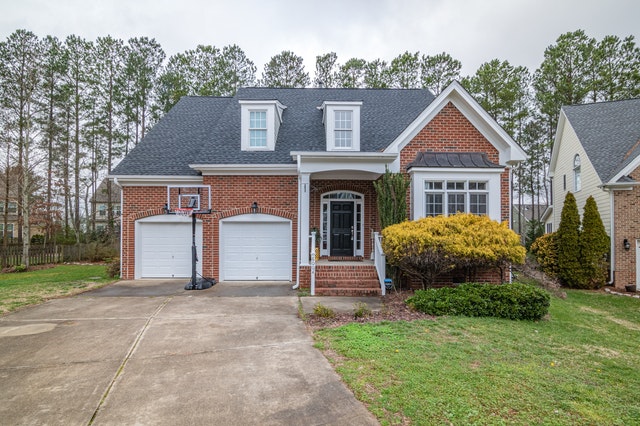 If you are looking for ways to save money on your mortgage, refinancing might be a good option. For those who might not know, refinancing can help a homeowner reduce monthly mortgage payments by switching to a lower interest rate.
  While a mortgage is a necessity for many people who have the dream of owning a home, it is also a form of debt. Most people do not like owing money to someone else. Therefore, homeowners might be looking for ways to pay off their mortgage early. The reality is that people are charged interest for having a mortgage. If a mortgage is paid off early, this is less money than the bank will take and more money in the pockets of homeowners.
 There is a long list of things that people need to do when they are looking to buy a home; however, it is also important for people to know what to avoid as this process unfolds. There is a lot for people to remember and it is easy for people to get carried away when they start looking at their dream homes. Even though it is great to look at a bunch of houses and imagine living there, it is critical for people to stay grounded and know what to avoid.