
 Many people believe they need a large down payment before they can buy a home. While making a larger down payment can have benefits, it is not the only path to homeownership. Today’s mortgage programs offer a variety of options that allow qualified buyers to purchase a home with much less money upfront than they may expect. Understanding these opportunities can help turn the dream of owning a home into a reality sooner than you think.
There Are More Loan Options Than You May Realize
Many buyers assume they need to save 20 percent of a home’s purchase price before applying for a mortgage. In reality, there are loan programs that allow qualified buyers to purchase a home with much smaller down payments. Depending on the loan program and your financial situation, you may be able to buy a home while preserving more of your savings for moving expenses, emergency funds, or future home improvements.
A Larger Down Payment Is Not Always the Best Choice
While putting more money down can reduce your monthly payment and lower your loan balance, it is also important to maintain healthy savings after closing. Using every available dollar for your down payment may leave you financially stretched if unexpected expenses arise. Finding the right balance between your down payment and your savings can provide greater financial security after you move into your new home.
Down Payment Assistance May Be Available
Many local, state, and national programs are designed to help qualified homebuyers with down payment or closing costs. These programs vary by location and eligibility requirements, but they can make homeownership more accessible for buyers who meet the qualifications. Your mortgage professional can help determine whether assistance programs are available in your area.
Focus on Your Overall Financial Picture
Your down payment is only one part of the mortgage approval process. Lenders also consider your income, employment history, credit profile, and existing debt when reviewing your application. Building healthy financial habits before purchasing a home can improve your overall borrowing power and help you qualify for the loan that best fits your needs.
Speak With a Mortgage Professional Early
One of the biggest mistakes buyers make is assuming they are not ready to purchase a home without first speaking to a mortgage professional. A conversation early in the process can help you understand your options, estimate how much you may need for a down payment, and create a personalized plan to reach your homeownership goals.
Homeownership may be closer than you think. By exploring today’s mortgage options and understanding the resources available, you may discover that a small down payment is all you need to take the next step toward owning a home.
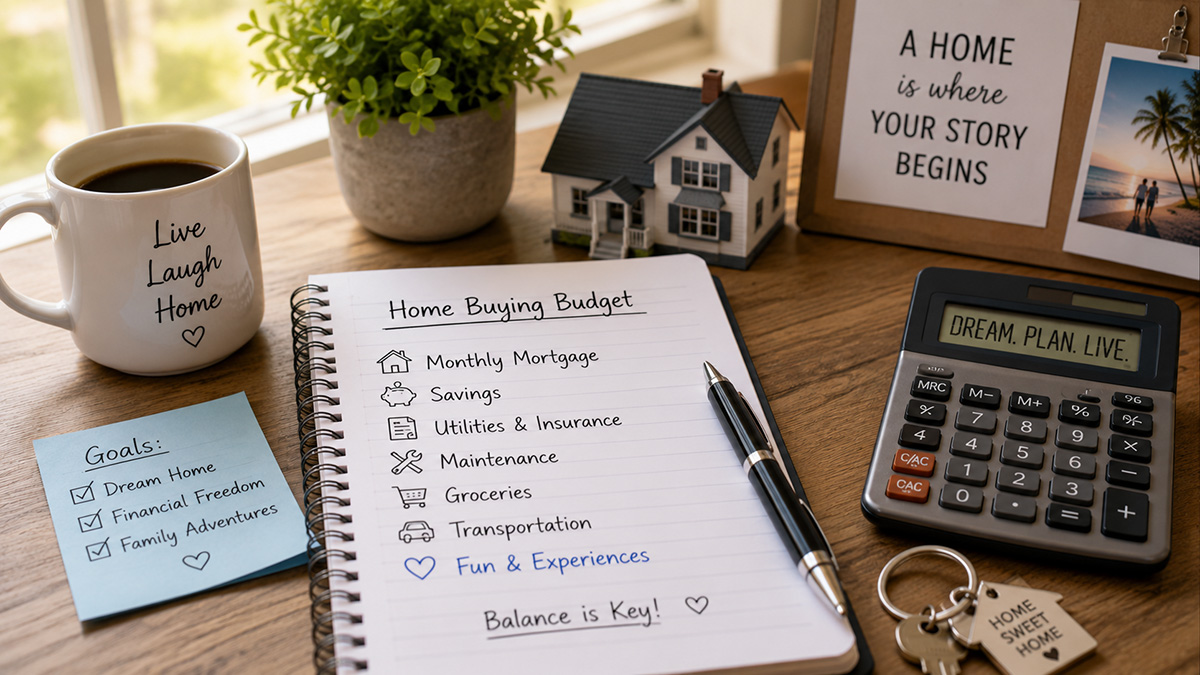 Buying a home is an exciting milestone, but it should not mean giving up everything you enjoy. A well-planned budget helps you become a homeowner while still making room for vacations, hobbies, family outings, and the occasional dinner out. The goal is to create a financial plan that supports your lifestyle instead of limiting it.
 Many prospective homebuyers spend months waiting for mortgage rates to fall before making a move. While securing a favorable interest rate is important, focusing exclusively on rates can sometimes cause buyers to overlook other factors that affect the overall cost of homeownership. In some situations, waiting for lower rates may actually end up costing more than moving forward today.
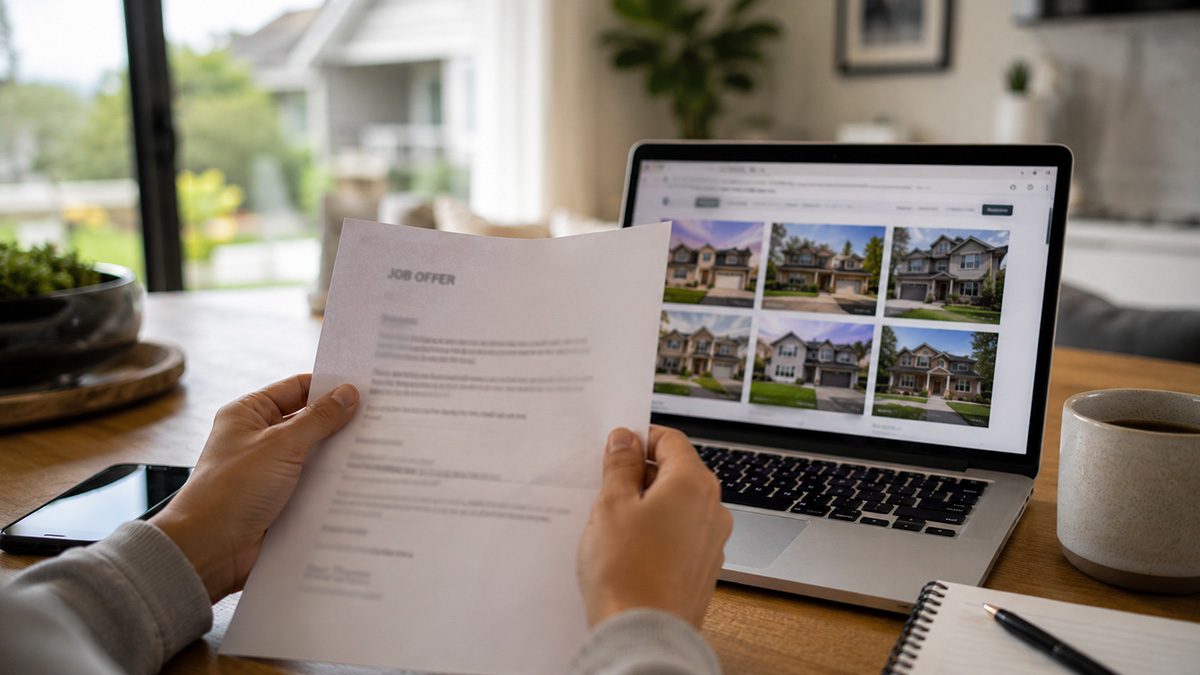 Many homebuyers are surprised to learn that changing jobs during the mortgage process can affect their loan approval. While a new position is not always a problem, lenders need to verify that your income is stable and likely to continue. If you are planning a career move while shopping for a home, it is important to understand how that decision may affect your mortgage timeline.
 Getting pre-approved is one of the most important first steps in the home buying process. Many buyers assume that once they receive a pre-approval letter, they are set until they find a home. In reality, pre-approvals are only valid for a limited period of time, and allowing one to expire can create delays, additional paperwork, and even changes to your borrowing power. Understanding how pre-approval timelines work can help you stay prepared when the right home becomes available.