
 Many people all over the world are dealing with issues involving debt or poor credit history, but most aren’t necessarily aware of what exactly makes up their credit score. Unfortunately, it might seem like it’s the big stuff that counts when it comes to credit, but little things can have a significant impact on your financial health. If you’re looking to improve your understanding and your finances, here’s what you need to know about small mistakes and your FICO score.
Making Late Payments
The due date on your bills might seem like an advisory, but whether we’re talking about a student loan, a credit card payment or your telephone bill, late payments can add up. Your payment history constitutes 35% of your total FICO score, which means that even a couple of late payments can have a marked impact on your overall credit. Instead of leaving this to chance, set aside a day each month before your bills are due to ensure they’re all paid off.
Applying For New Credit
It’s often the case that a store will offer special deals if you sign up for their own in-house credit card, but this can cost you big since the amounts you owe make up 30% of your credit score. Also, because lenders will often assume that you’ve run out of credit if you apply for a new card, applying for new credit can be a red mark against your FICO score. It’s also important to realize that closing off an old, unused credit card can actually bump up your balance so you may want to keep them active temporarily.
Forgetting Credit Altogether
It might seem like the best possible option for avoiding credit issues is to avoid using credit altogether, but your credit history constitutes 15% of your FICO score. This means that you should have at least one credit card in your possession so that you can use it to build a history of lending success. While you won’t want to use more than 30% of your credit limit, it’s important to show proven experience in paying back your lenders.
Many people think that bad credit is the result of overspending and huge debt amounts, but your FICO score is largely determined by your payment history and your available credit. If you’re trying to improve your financial outlook in preparation for buying a home, contact one of our mortgage professionals for more information.
 Whether you’re finally prepared to get into the real estate market or you want to know how you can make a deal quick, there are a few necessary documents you’ll need to prove your reliability to a mortgage lender. If you’re wondering what will be involved in getting the application approval you’re looking for, here are the documents you’ll want to have on hand when the time comes.
 The decision to invest in a home is a big one for many people, but if you’re making the foray into real estate the second time around, it’s even more important to be financially aware and prepared. If you’re wondering what you’ll need in order to get approved for an investment property, here are some things that you’ll want to consider before deciding a second property is in your future.
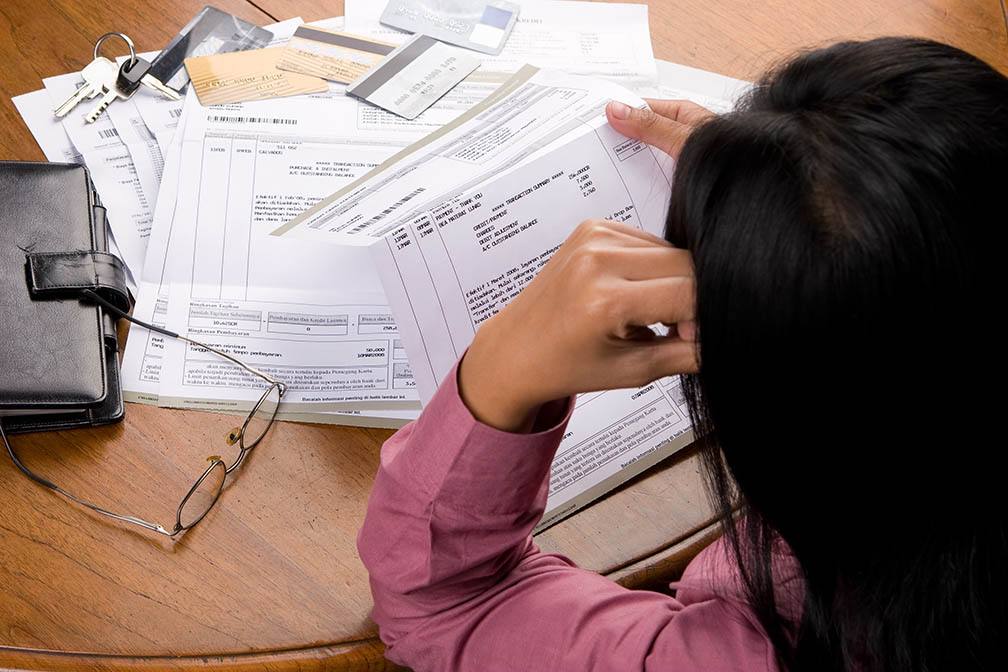 It may feel like a very daunting task to consider buying a home after you’ve declared bankruptcy, and there’s no doubt that it’s an uphill battle. Fortunately, while you’ll have hard work ahead, there are things you can do in order to make your dream of home ownership a possibility. Whether you’ve just declared bankruptcy or some time has passed, here are some things you should consider before getting into the market.
 It can be hard to stay on top of a changing real estate market from day-to-day, but it’s a matter of fact that there are more available mortgage products out there than ever before for many different kinds of homebuyers. If you’re wondering how you can take advantage of easier lending opportunities and strike while the iron is hot, here are some things to consider.