
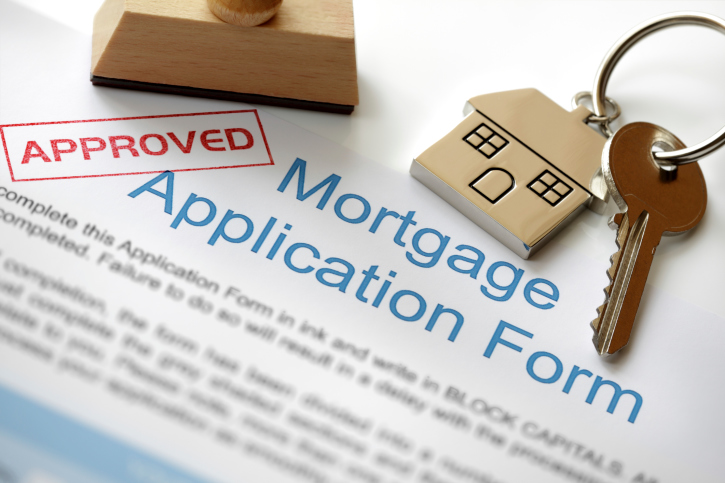
 When you’re in the process of buying a home, one of the most important steps is obtaining a mortgage approval. This approval signifies that a lender is willing to offer you a loan to finance your dream home. The timeline for getting a mortgage approval can vary depending on several factors.
Initial Preparations:
Before you start the mortgage approval process, it’s crucial to gather all the necessary documentation. This typically includes proof of income, employment history, bank statements, tax returns, and details about your assets and liabilities.
Application Submission:
Once you have your documents ready, you’ll need to submit a mortgage application to the lender. This can be done online or in person at a bank or mortgage lender’s office. The application will require information about your financial situation, employment, and the property you intend to purchase.
Credit Check and Verification:
After submitting your application, the lender will perform a credit check to assess your creditworthiness. This process involves examining your credit history, credit score, and any outstanding debts. The time required for this step will usually take a few days to a week.
Property Appraisal and Inspection:
As part of the mortgage approval process, the lender may require a property appraisal to determine its value. They want to ensure that the property’s worth aligns with the loan amount. In addition, a home inspection may be necessary to assess the property’s condition. This process takes anywhere from a few days to a couple of weeks, depending on the availability of appraisers and inspectors.
Underwriting and Decision:
Once all the necessary information is collected and verified, your application will enter the underwriting stage. Here, the lender’s underwriters review your financial information, documentation, and the property appraisal report. This step takes anywhere from a few days to several weeks, depending on the complexity of your application and the workload of the underwriting team.
Mortgage Approval:
Once the underwriting process is complete, the lender will communicate their decision to you. If your application is approved, you will receive a mortgage commitment letter, indicating the terms and conditions of the loan. This letter will specify the mortgage amount, interest rate, repayment terms, and any other pertinent details.
The timeline for getting a mortgage approval can vary depending on several factors. This includes your financial situation, the lender’s workload, the complexity of your application, as well as the property appraisal and inspection process. On average, the entire process can take anywhere from two to six weeks. To ensure a smooth and timely approval, it’s crucial to have all your documentation prepared, respond promptly to any requests from the lender, and work closely with your mortgage broker or loan officer throughout the process.
 When it comes to applying for a mortgage, lenders take various factors into account to determine your eligibility. One crucial aspect they consider is your employment history. Your employment history provides lenders with valuable insights into your financial stability, income consistency, and ability to repay the loan.
 Choosing the right mortgage lender is a crucial decision when you’re considering purchasing a home or refinancing your existing mortgage. With numerous lenders available in the market, it’s important to carefully evaluate your options to ensure you select a lender that suits your needs and financial goals.
 Inflation can erode the value of your savings over time, and one way to hedge against inflation is by investing in assets that appreciate in value over time. Real estate is often considered a good hedge against inflation, as property values tend to rise in line with inflation.
 Calculating mortgage payments involves several variables, including the loan amount, the interest rate, and the loan term. Here are the steps to calculate mortgage payments: