
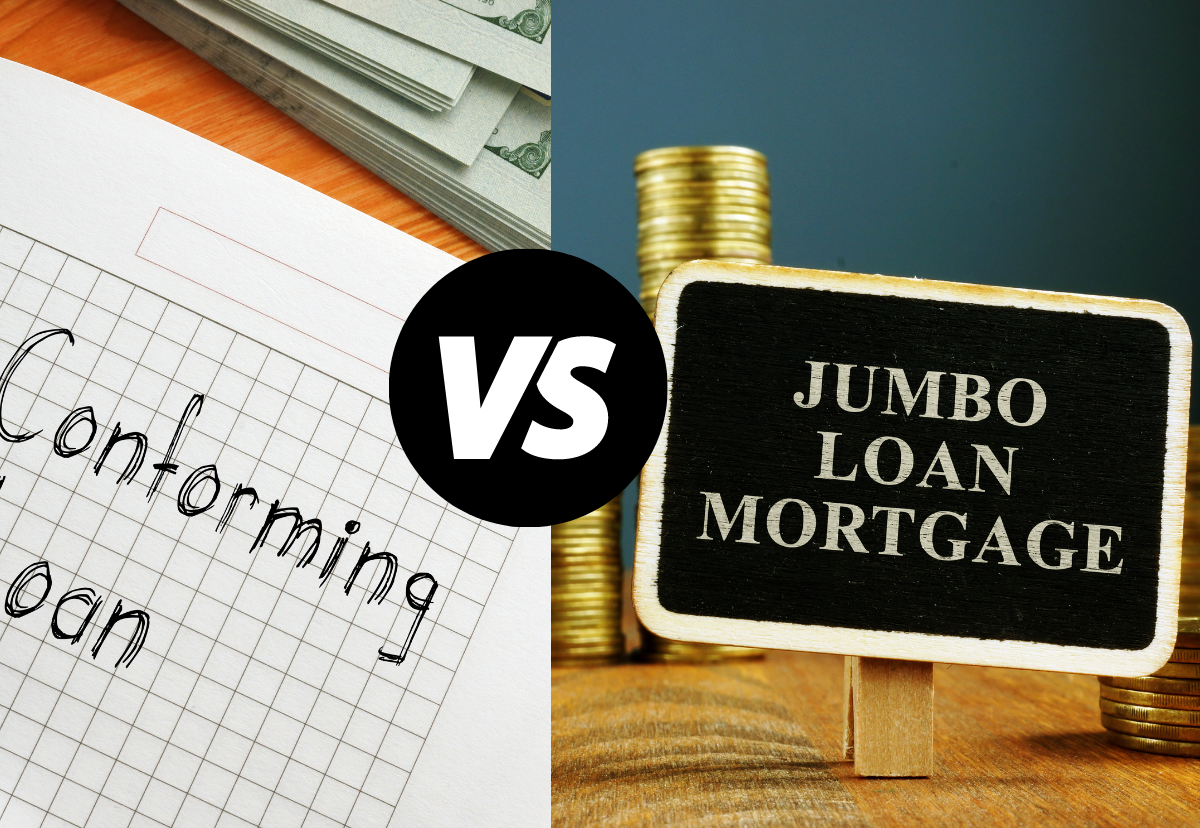
 Potential homeowners need to understand the different types of loans available. This is a major financial decision, and it is important to evaluate the benefits and drawbacks of each option. The majority of home loans fall into two categories. The first is called a conforming loan and the second is called a jumbo loan. There are a few significant differences between them.
How Is The Size Of A Home Loan Determined?
First, it is important to understand how the size of a home loan is determined. Homebuyers usually need to put money down before they will be granted a home loan. First-time homeowners may be able to qualify for a home loan with only 3.5 percent down, but most people will be asked to put 20 percent down. Otherwise, they could be asked to purchase private mortgage insurance. The remaining balance of the sale is the size of the loan financed by the lender.
What Is A Conforming Loan?
A conforming loan is any loan that is beneath the federally set limit. Typically, a conforming loan comes with a lower interest rate than a jumbo loan. Therefore, home buyers who have a proposed loan amount at or near the federal limit, or those who have flexibility in the size of the down payment, are better off securing a conforming loan so they can save money.
What Is A Jumbo Loan?
A jumbo loan is any loan that is above the federally set limit. While a jumbo loan can still allow homeowners to secure a house, it usually comes with higher interest rates. Before taking out a jumbo loan, potential homebuyers need to talk to the loan officer about their other options. There might be ways to avoid taking out a jumbo loan.
Work With A Professional Loan Officer
Anyone interested in taking out a home loan has to work with a professional loan officer who can explain the different options available. In addition to deciding on a fixed-rate versus an adjustable-rate mortgage, applicants need to figure out if they qualify for a conforming loan or a jumbo loan. The differences between these two loans can equate to thousands of dollars over the life of the loan.
 There is a lot of terminologies involved in the mortgage application process, and one common term people come across is a mortgage point. What exactly is a mortgage point, and how might impact the price of the loan?
 Finding a proper mortgage loan and understanding the processing procedures behind the loan is the basis of good research. The down payment on a mortgage loan is typically significant when dealing with mortgage insurance.
 Equity is a powerful tool. As homeowners pay off the mortgage, the amount of equity in the house grows. As the house appreciates in value, homeowners accrue even more equity. Then, homeowners can tap into this equity for a variety of purposes. What are a few of the ways homeowners might be able to use this equity?
  Purchasing a house involves a tremendous amount of paperwork. There is even more paperwork involved if the buyer goes through a lender. With so much paperwork, some homeowners might be wondering how long they have to keep all of these documents. Ideally, homeowners should keep these documents for the life of the loan, but there are a few other points to consider.